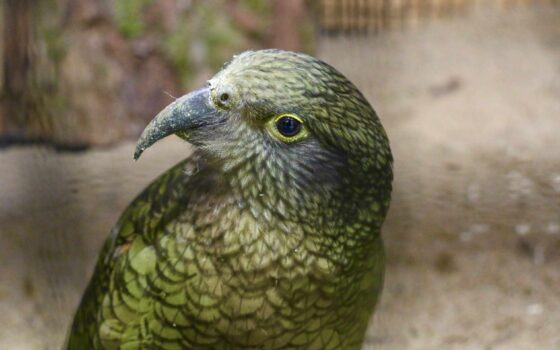
DISTRIBUTION AND HABITAT
Endemic to New Zealand. Inhabits forests from river valleys and sea coast to the high mountains of the South Island.
BEHAVIOUR
Nests in burrows or crevices among tree roots. Lives in groups of up to 13 individuals. It demonstrates intelligence and highly developed cognitive skills, which are crucial for survival in harsh environment.
DIET
Kea is omnivorous. Its diet includes dozens of plant species, insects, snails, birds, and mammals. It can create and use tools.
REPRODUCTION
The breeding season lasts from July to January. Two to six eggs are layed and the female incubates them for about 21 days. Male forages for both of them during that time. For the next three months, the chicks remain dependent on their parents.
GOOD TO KNOW
The government once offered rewards for killing keas, as livestock farmers suspected they were attacking sheep by pecking their backs. Later some individuals were documented feeding in this manner. The hunting resulted in significant decrease of kea’s population and it have been under strict protection since 1986.
- Latin name: Nestor notabilis
- IUCN Red List – EN – endangered
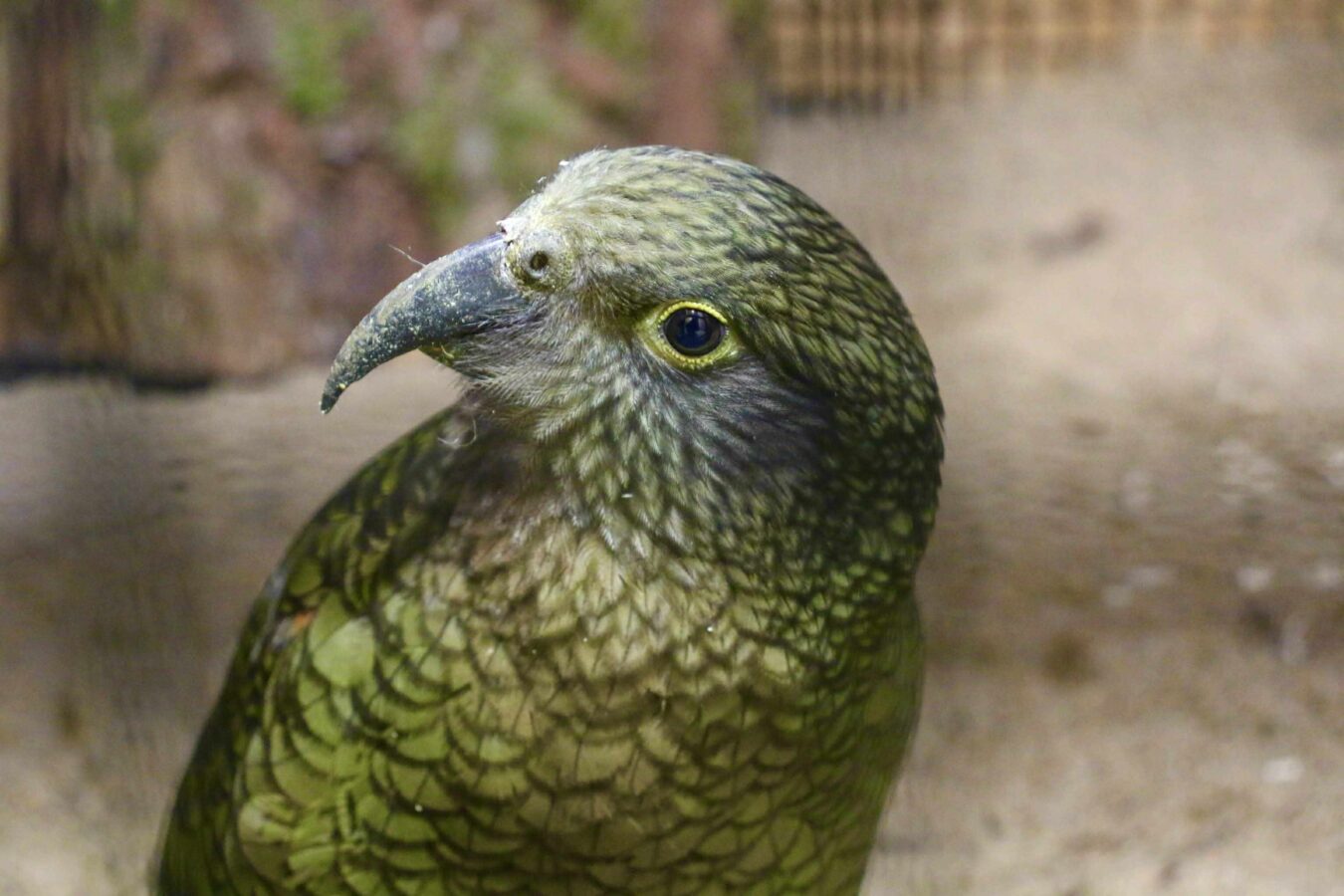
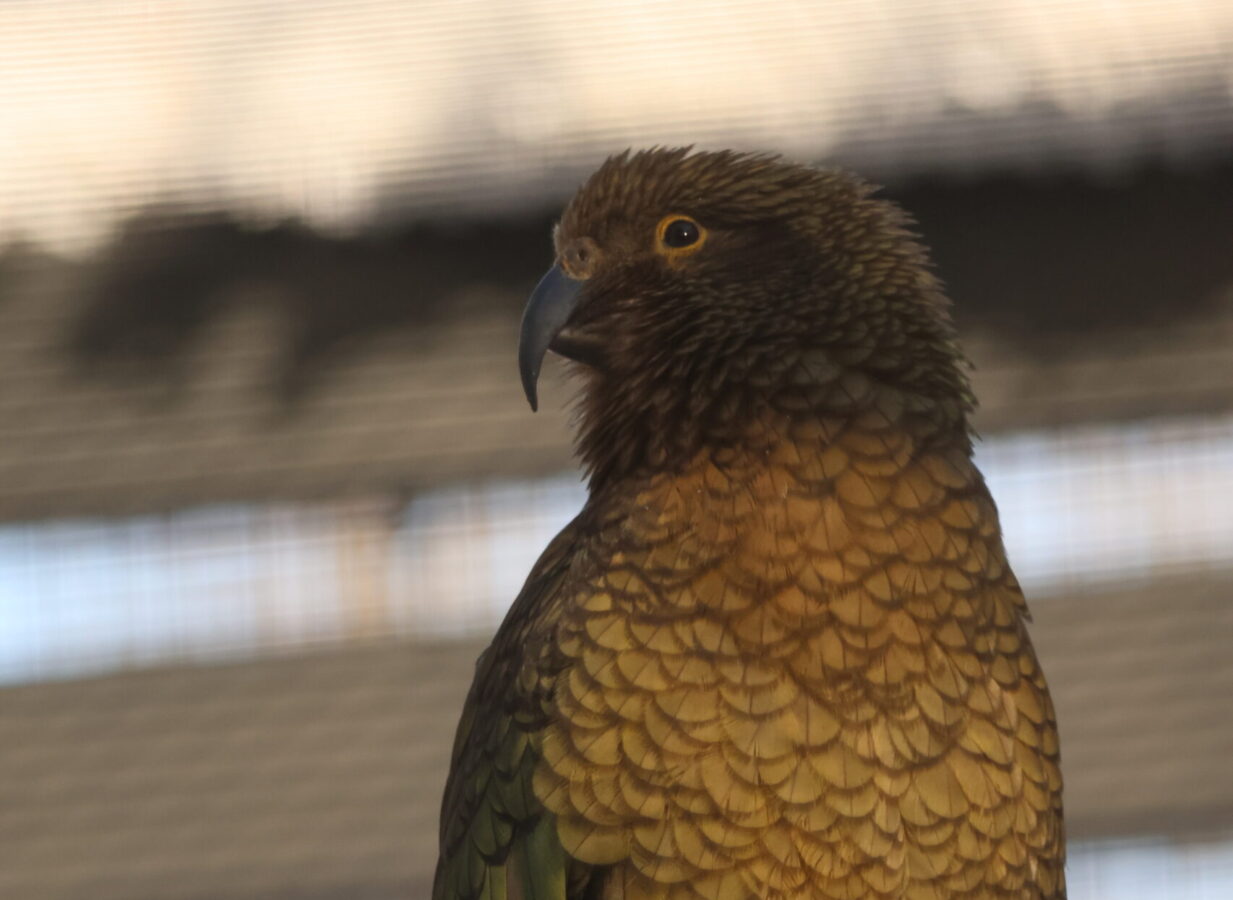
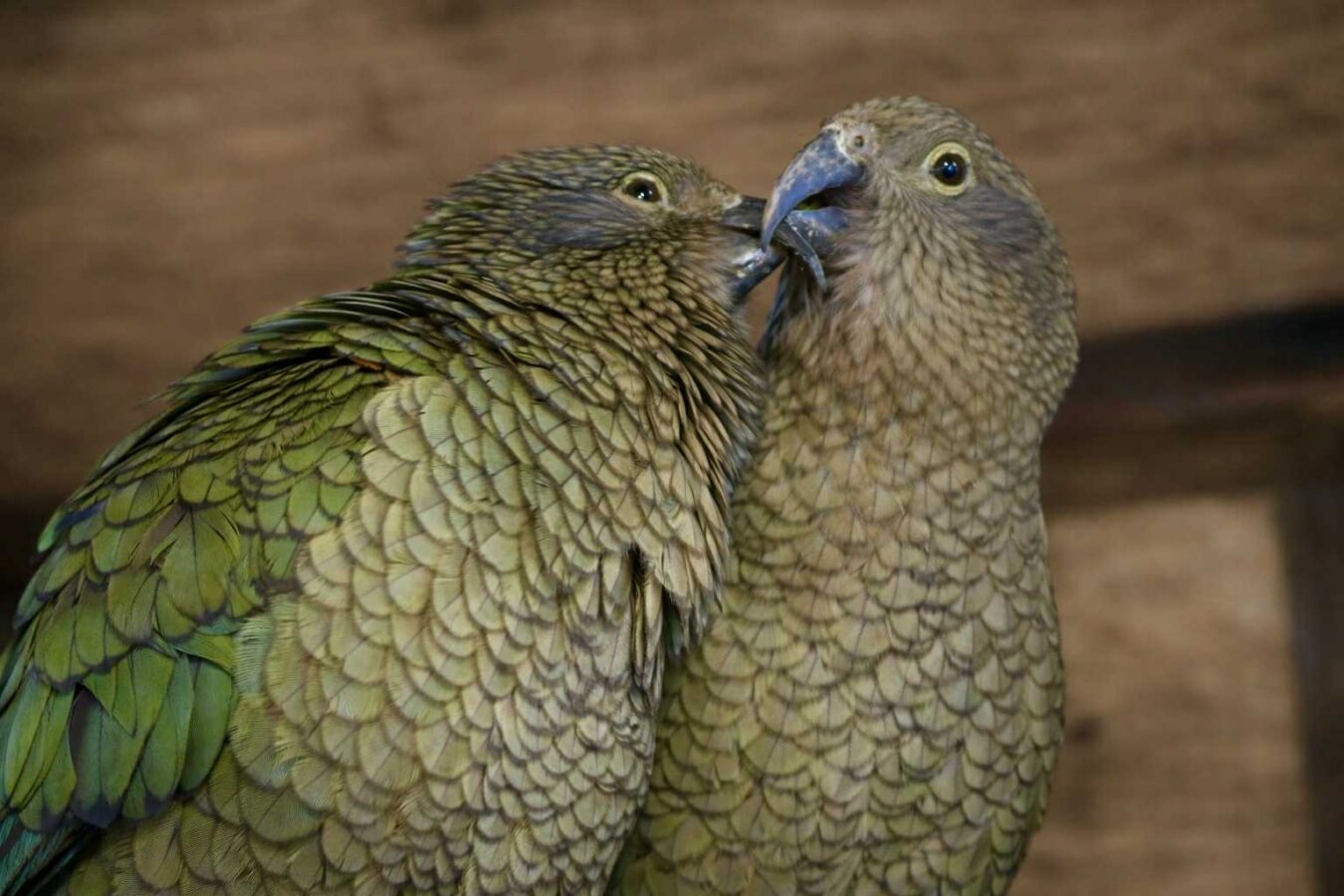

This animal does not have a sponsor yet. You can become one.